
May is Mental Health Awareness Month
For this year’s Mental Health Awareness Month, we’re exploring the role of COMMUNITY in mental health. Not the kind you join for networking, but the kind that reminds you you’re not alone.
What Happens When We’re Seen?
There’s something quite healing about being known, not in a loud or performative way, but in the everyday sense: when someone remembers your name, asks how you really are, or simply sits with you without trying to fix anything.
That kind of connection doesn’t always look dramatic, but it matters.
Did You Know That Belonging Can Improve Mental Health as Much as Therapy?
We often picture healing as something that happens behind closed doors, between a client and a therapist. But sometimes, healing happens in the middle of ordinary life: in a quiet moment with a friend, a shared laugh over coffee, or a stranger holding the door when your arms are full.
Belonging isn’t just a nice feeling. It’s a form of support. And it can be just as important for your mental health as any therapy session.
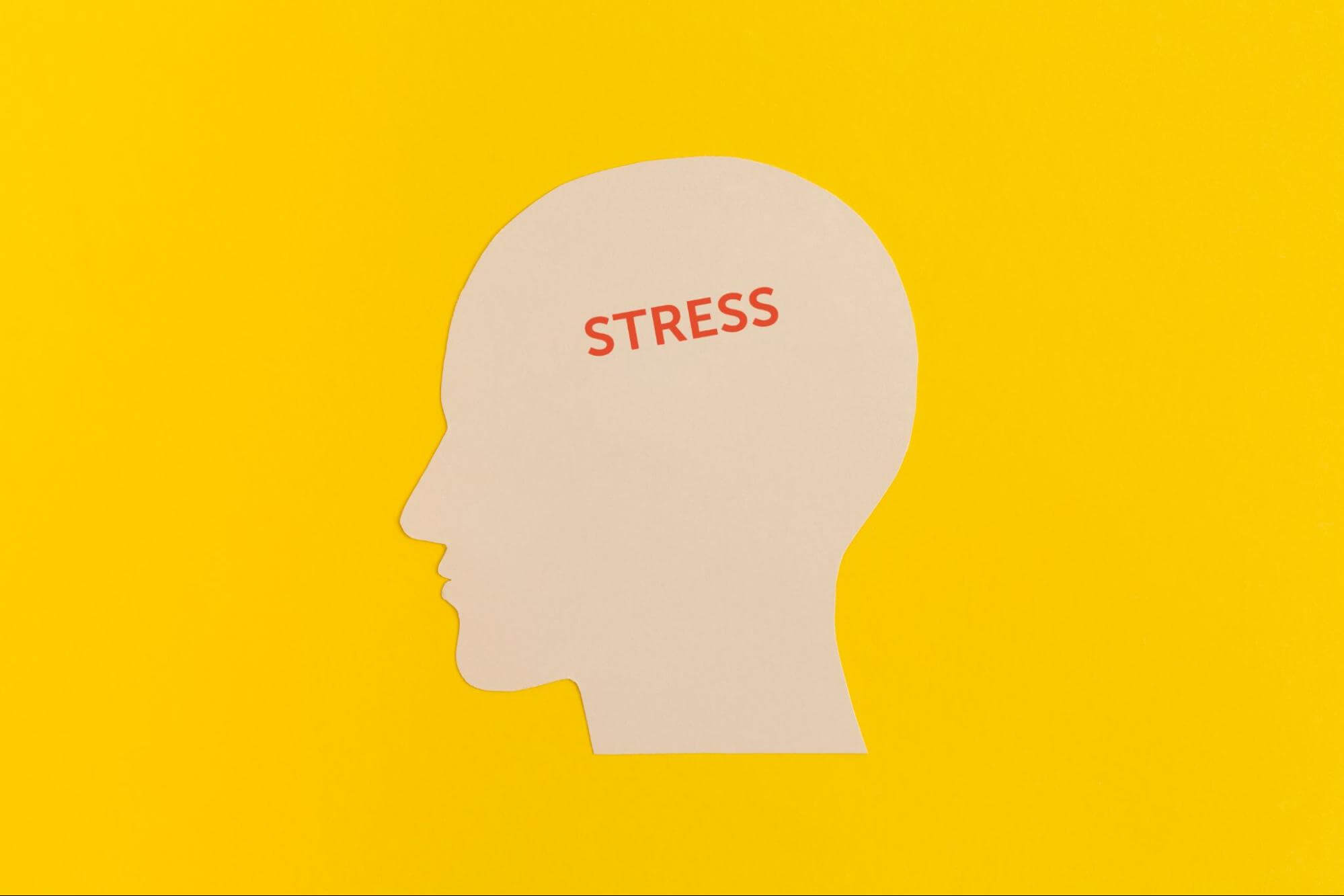
Belonging Regulates the Body’s Stress Response
A 2015 study published in the Journal of Social Psychology explored how the need to belong affects the brain’s physiological response to social exclusion. Using the “Cyberball” experiment (a virtual ball-tossing game that simulates being left out) researchers measured participants’ cortisol levels before and after the experience.
The results? Participants with a higher need for social connection showed a greater spike in cortisol, the body’s primary stress hormone, after being excluded compared to those with a lower need to belong.
What’s happening here? The study suggests that when our need to feel included is strong, social exclusion registers as a threat, not just emotionally, but biologically. The body reads it as danger, and responds accordingly.
Interestingly, the study also found that rejection sensitivity alone didn’t predict stress reactivity, it was the need for belonging that mattered most.
Why This Matters
We often underestimate how much our mental health is shaped by whether we feel included.
Belonging isn’t just about being part of a group but about feeling like we matter in that group. That we’re wanted. That we’re seen.
When that’s missing, the body doesn’t just feel lonely, it feels unsafe.
Did You Know That Being Around Calm People Can Literally Calm You Down?

A 2021 review published in Frontiers in Psychology explored the phenomenon of emotional contagion—the process by which individuals can “catch” the emotions of others through subtle cues like facial expressions, tone of voice, and body language. The study found that emotional contagion can occur even without direct conversation or physical touch, showing how our nervous systems can synchronize with those around us.
This means that being in the presence of someone who is calm and emotionally regulated can help your own nervous system find balance. It’s not just a psychological effect; it’s a physiological response where your body mirrors the emotional state of those nearby.
Why This Matters
We often think of emotional regulation as a solo endeavor, something we must achieve on our own. However, this research underscores the importance of our social environments in influencing our emotional states.
Being around calm, emotionally attuned individuals doesn’t just feel good—it has tangible benefits for our mental and physiological health. So, the next time you’re feeling overwhelmed, consider spending time with someone who exudes calmness. Their presence might just help your nervous system find its own equilibrium.
Did You Know That Social Exclusion Activates the Same Brain Regions as Physical Pain?
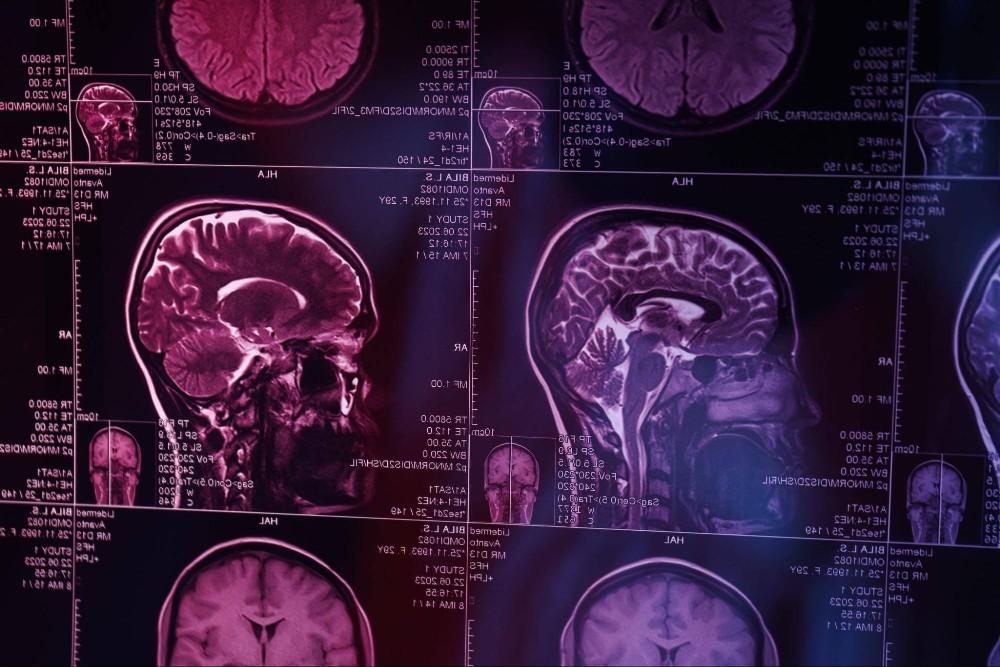
This isn’t just a figure of speech. In fact, brain scans show that when someone feels rejected or left out — even by strangers — the same areas of the brain light up as when we experience physical pain.
That tight feeling in your chest after being ghosted?
The pit in your stomach when you walk into a room and no one looks up?
It’s not just in your head. It’s in your nervous system.
Social Rejection and the Brain
In one study, researchers used a simple ball-tossing video game to simulate what it feels like to be left out. What they found was striking: the brain showed increased activity in areas linked to physical pain, like the anterior cingulate cortex and insula.
Why This Matters
Belonging isn’t just nice to have, it’s something we’re wired for. When we feel excluded, our brain registers it as a threat. And over time, that kind of social pain can take a real toll on our mental health.
These insights remind us that inclusion isn’t just about being kind. It’s about helping people feel safe, seen, and supported, because those things really do matter.
A Final Thought
Not everyone needs therapy. But everyone needs connection.
Whether you’re reconnecting with yourself or reaching toward others — we’re here to walk with you.