Let's Talk:
In person sessions available in Toronto

Fertility Counselling in Toronto

You didn’t expect that starting a family would be so difficult or uncertain.

For 1 in 6 couples, the path to parenthood doesn’t go as planned.

We grow up believing that when we are ready, it will just happen. But now, you find yourself waiting, hoping, and wondering if the dream of building a family will ever come true.

Infertility can be incredibly tough, and it usually comes with many invisible losses – the loss of hope, loss of privacy, loss of joy, loss of dreams, and even loss of confidence.

It shakes your sense of control, leaving you feeling like life is moving forward for everyone else while you remain stuck in uncertainty.

Growing up, we’re told that having children will just happen when we’re ready. But when your body doesn’t cooperate with that plan, it can feel like everything starts to fall apart.If you're here, you probably know the pain of being stuck in cycles of hope and disappointment. The grief. The jealousy. The unfairness.I’m Delia Petrescu, a registered psychotherapist who specializes in fertility counseling. I’ve been where you are — and I help individuals and couples navigate the emotional rollercoaster of infertility with compassion, clarity, and practical support.Whether you're coping with recurrent loss, IVF stress, birth trauma, decision-making around donor insemination or egg donation, or just trying to reconnect with yourself — there’s space for all of it here.We’ll use mind-body strategies, trauma-informed support, and advanced techniques like Accelerated Resolution Therapy (ART) to help you move through this with more steadiness and strength.📅 Book a free 15-minute consultation: https://getreconnected.ca/fertility-counseling/Get Reconnected Psychotherapy & Counselling Services 120 Eglinton Avenue East, Suite 202-A, Toronto, ON, M4P1E2 (905) 439-6734 [email protected]://getreconnected.ca https://getreconnected.ca/therapy-services/fertility-counseling/

What is Infertility?

The official definition is the inability to produce a pregnancy that results in a live birth after 1 year of unprotected regular intercourse if you’re under age 35, and after 6 months if you’re over 35.

Causes of Infertility

It can be caused by female factors, male factors, combined factors or sometimes, no clear reason at all (unexplained infertility)

Male-Factor Infertility

  • Sperm abnormalities, poor shape or movement
  • Azoospermia (no sperm in semen)
  • Klinefelter Syndrome (born without sperm production)
  • Low Motility (sperm struggles to swim)
  • High DNA Fragmentation (damage to sperm DNA)
  • Varicocele (enlarged veins in the scrotum affecting sperm production)
  • Hormonal Imbalances (low testosterone or other hormonal disruptions affecting sperm development).

Female-Factor Infertility

  • Polyendocrine Metabolic Ovarian Syndrome (PMOS) formerly known as Polycystic Ovary Syndrome (PCOS) – hormonal disorder causing irregular ovulation.
  • Lean PMOS – a form of PMOS in individuals with normal BMI, often overlooked due to the absence of common metabolic symptoms.
  • Endometriosis – a condition where tissue similar to the uterine lining grows outside the uterus, causing inflammation and fertility challenges.
  • Diminished Ovarian Reserve (DOR) – a lower-than-average number of remaining eggs.
  • Premature Ovarian Failure (POF) – also called primary ovarian insufficiency (POI), this occurs when the ovaries stop functioning before the age of 40.
  • Blocked Fallopian tubes – often caused by infections, endometriosis, or previous surgeries, preventing sperm from reaching the egg.
  • Ovulation issues (irregular or absent ovulation)
  • Uterine conditions (fibroids, polyps, or structural issues)

Combined Infertility

In some cases, both partners may have contributing fertility challenges, such as mild male-factor infertility alongside irregular ovulation or low sperm motility paired with diminished ovarian reserve. This can make treatment decisions more complex, but it also creates more opportunities to address the underlying causes together.

Unexplained Infertility

For 10-30% of couples, no clear medical explanation is found despite thorough testing. This can be one of the most frustrating diagnoses, as it provides little clarity on what to address.
But treatments such as lifestyle modifications, assisted reproductive technologies (ART), and stress management can still improve outcomes.

Secondary Infertility

Fertility struggles after having one or more children despite previous natural pregnancies.
Causes vary from age-related fertility decline, hormonal imbalances, scarring or complications from previous pregnancies, male-factor issues or even unexplained reasons where no clear medical cause is identified.

But Fertility Challenges Are More Than Medical…They’re Emotional Too

What you’re going through can affect every part of your life, your relationship, your sense of self, your friendships, and even how you see the future.

It’s not just about the medical process but also about the emotional toll, the constant waiting, the unanswered questions, and the fear of the unknown.

Know That You Are Not Alone

If you are battling this, you are not alone. Struggling to become pregnant or the loss of a ‘typical’ pregnancy can be overwhelming and a heartbreaking journey.

Maybe you’re:
  • Feeling disappointed, anxious, sad, constantly worrying or grieving.
  • Feeling guilty, ashamed, or angry.
  • Fearful and hopeless about the future.
  • Isolated because no one in your life understands what you’re going through
  • Struggling with grief after a pregnancy loss, stillbirth, or unsuccessful treatments
  • Stuck in cycles of hope and disappointment every month
  • Considering IVF, IUI, or third-party reproduction (donor conception, surrogacy) and feeling overwhelmed
  • Trying to manage anxiety while making big decisions about your next steps
  • Dealing with the emotional impact of a diagnosis: male-factor infertility/female-factor infertility/unexplained infertility or combined factors.
  • Already have a child and now struggling to get pregnant a second time?
  • Wondering if you should keep going or start exploring other paths to becoming a parent
  • Fearful and hopeless about the future?
  • Having a tough time considering whether to become a single parent by choice?
  • Having a difficult time maintaining or creating appropriate boundaries with others while you are going through this challenging time?
  • Finding the two-week wait period overwhelming
No matter where you are in your journey and whatever you are feeling… Please know that it is normal and common.

Remember that those are natural feelings and reactions and many (if not most) who are struggling to start a family have been cycling and continue to cycle through the emotional minefield of infertility. 

Besides the difficulties to get pregnant, there’s also the stress, the ups and downs from so much hope to disappointment, constant worrying of whether you are doing everything ‘right’ or wondering if you are ever going to be successful in the end.

It’s exhausting, isn’t it? Both physically and emotionally
Let Us Be There and Support You in This Journey

Did You Know?

Experiencing an inability to get pregnant can have a significant impact on your emotional well-being. Research suggests that individuals who are trying to conceive and are unsuccessful have similar levels of anxiety and depression as individuals suffering from cancer, heart disease, and HIV. The stress associated with an inability to conceive can arise from various factors, such as the disappointment of unsuccessful attempts to conceive, the uncertainty surrounding outcomes, and societal pressures.

“Just because your path is different doesn't mean you’re lost!”
Gerard Abrams

What is Fertility Counselling?

This is a specialized form of therapy for navigating family-building challenges, losing pregnancies, and important decisions about treatment or third-party reproduction.

It gives you the opportunity to talk openly with a therapist who understands the emotional impact of this experience and the uncertainty that often comes with it.

People seek therapy for many different reasons. Some are preparing for treatments, others are considering donor conception, and many are looking for help after losses or an unsuccessful cycle.

You don’t need a diagnosis or have to be in crisis to benefit. Many people simply want guidance from someone who understands what they’re going through.

At Get Reconnected, every session is focused on your unique circumstances.

Together, we’ll focus on the challenges that matter most to you, helping you better understand your thoughts and emotions, develop healthy coping strategies, and make decisions that feel right for you.

How Fertility Counselling Can Help

When you’re trying to become a parent, life can slowly start revolving around ovulation tests, blood work, appointments, and waiting for results.

Pregnancy announcements become difficult to see.

Social gatherings can feel exhausting because you’re tired of questions about when you’re going to have children.
Every month begins with hope, only to end in disappointment, making it feel like infertility has taken over your life.

This type of therapy gives you a place where you don’t have to pretend you’re okay or hear advice like “just relax” or “it’ll happen when the time is right.”

Instead, you’ll have the opportunity to talk with a therapist who understands what you’re going through, helping you process your experience, make informed decisions, and find practical ways to move forward.

Who Can Benefit From Fertility Counselling?

Whether you’re just beginning or have been on this path for years, working with a therapist who understands the emotional challenges involved can help you process your experiences, develop healthy ways to adapt, and feel less alone.

You may benefit from fertility counselling if you are:

  • Pursuing pregnancy without success
  • Living with infertility or unexplained infertility
  • Beginning or undergoing fertility treatments
  • Recovering from early losses or ectopic pregnancy
  • Processing recurrent losses or repeated failed embryo transfers
  • Considering donated eggs, sperm, embryos, or gestational carriers
  • Managing the emotional impact of endometriosis, PMOS (previously known as PCOS), or other conditions
  • Feeling overwhelmed by the uncertainty, grief, anxiety, or stress
  • Experiencing strain in your relationship because of infertility
  • Deciding whether to continue, pause, or end treatments
  • Adjusting to life after infertility or exploring a child-free future


Infertility affects much more than your ability to have a child. It can influence your relationships, confidence, mental health, career, finances, and how you see yourself.

Whether you attend on your own or with your partner, each session helps you process grief, manage anxiety, improve communication, and build resilience through every stage of your fertility journey.

Fertility Counselling for Individuals

Sometimes the hardest part of infertility is feeling like you have to protect everyone else’s feelings while putting your own aside.

You may not want to burden your partner, worry your family, or explain yourself to friends who simply don’t understand.

Individual sessions give you the opportunity to speak openly without feeling judged or responsible for anyone else’s emotions.

Whether you’re trying to conceive naturally, undergoing treatments, considering third party reproduction, or managing unsuccessful treatment, every session is based on your personal experiences, goals, and concerns.

Individual therapy can help you:

  • Cope with the stress, anxiety, and uncertainty of infertility
  • Process grief following the loss of a pregnancy or unsuccessful treatments
  • Navigate the emotional highs and lows of treatments
  • Manage feelings of guilt, shame, anger, or isolation
  • Develop practical tools during periods of waiting and uncertainty
  • Build resilience while balancing work, relationships, and procedures
  • Explore your options with greater clarity and confidence


Every fertility journey is different, and so is every session.

Fertility Counselling for Couples

There isn’t always one “right” way to get through infertility as a couple.

One partner may want to talk about every appointment and every decision, while the other may handle it by staying busy or keeping their emotions private.

Over time, these different coping styles can lead to misunderstandings, frustration, or feeling like you’re no longer on the same team, even though you’re working toward the same goal.

Couples sessions create a space where both partners can feel heard and understood.

Rather than deciding who’s right or wrong, the focus is on improving communication, strengthening your relationship, and helping you navigate your journey together.

Couples therapy can help you:

  • Improve communication throughout your journey
  • Better understand each other’s emotional needs
  • Reduce conflict and strengthen your emotional connection
  • Make informed decisions about different treatment options, donor conception, surrogacy, or other family-building options
  • Navigate the impact of infertility on intimacy and your relationship
  • Build resilience together during periods of uncertainty and waiting


Every couple experiences infertility differently. It isn’t about fixing your relationship but about giving you the tools, support, and understanding to face one of life’s most challenging experiences together.

Fertility Counselling During IVF

In vitro fertilization often becomes more than a medical treatment.

Your calendar fills with appointments, medications, blood work, ultrasounds, and phone calls that can change your entire day.

You may find yourself overanalyzing every symptom, counting down to the next milestone, or wondering whether to feel hopeful or protect yourself from disappointment.

It can be emotionally exhausting, especially when so much feels outside of your control.

Whether you’re beginning, in the middle of treatment, or recovering after a cycle, taking time to process your experience can help you navigate the uncertainty that comes with treatment.

Whether you’re preparing for your first cycle, navigating multiple rounds of treatment, or recovering from a failed embryo transfer, you deserve a space to process your emotions and develop practical strategies for whatever comes next.

IVF counselling services can help you:

  • Prepare emotionally before starting treatment
  • Manage stress and anxiety throughout each stage of treatment
  • Better handle the uncertainty of the two-week wait
  • Process the emotional impact of a failed cycle or unsuccessful embryo transfer
  • Navigate difficult decisions about additional treatment or changing your plan
  • Strengthen communication with your partner during treatment
  • Build ways that support your mental wellbeing throughout your journey

No two journeys are the same. Your sessions are oriented to where you are today, providing support and practical guidance so you don’t have to navigate treatment on your own.

Male Infertility Support

If you’ve been diagnosed with male infertility, you may feel pressure to stay strong, find solutions, and support your partner while putting your own emotions aside.

You might blame yourself, wonder if you’ve let your partner down, or feel like you have to deal with everything on your own.

These thoughts are more common than many people realize, but you don’t have to carry them alone.

Whether you’ve been diagnosed with low sperm count, poor motility, DNA fragmentation, azoospermia, or unexplained male infertility, you deserve a place where you can talk openly about what you’re experiencing without fear of judgment.

Therapy for male infertility can help you:

  • Process the emotional impact of a male infertility diagnosis
  • Manage stress, anxiety, and feelings of guilt or self-blame
  • Improve communication with your partner
  • Manage repeated unsuccessful treatment
  • Strengthen resilience during periods of waiting and uncertainty
  • Make informed decisions about future family-building options

A diagnosis of male infertility does not define who you are.

Together, we’ll focus on helping you navigate the emotional side of treatment, strengthen your relationship, and move forward with greater confidence, whatever your next step may be.

Pregnancy Loss & Recurrent Miscarriage

Losing a pregnancy can change the way you experience hope.

After losses you may find yourself feeling anxious about trying again, avoiding pregnancy announcements, or wondering if you’ll ever be able to enjoy a positive pregnancy test without fear.

Even when the physical recovery is over, the emotional impact often stays with you much longer.

There is no timeline for grief. Whether your loss happened recently or years ago, you deserve a space where you don’t have to minimize your experience or feel pressured to “move on,” while making sense of what you’ve been through and deciding what comes next.

How we can help:

  • Process grief
  • Navigating the emotional impact of recurrent losses
  • Navigate anxiety about future pregnancies or treatments
  • Address trauma related to recurrent losses or medical procedures
  • Improve communication with your partner and loved ones
  • Develop tools to handle periods of uncertainty
  • Rebuild emotional resilience while deciding on next steps


There is no timeline for healing after such a loss. Your experience is unique, and every session is shaped around where you are, giving you the time, space, and guidance you need at your own pace.

Emotional Benefits

When you’re navigating infertility, it can feel like your emotions are constantly tied to the next appointment, phone call, or pregnancy test.

One day you’re hopeful, the next you’re preparing yourself for disappointment. Over time, that emotional roller coaster can become exhausting.

Grief can affect every part of your life. Developing healthy ways to manage can help it feel less overwhelming while allowing you to reconnect with the people and moments that matter most.

Emotional benefits include:

  • Reducing anxiety related to treatment and waiting periods
  • Processing grief after losses or failed cycles
  • Managing feelings of guilt, shame, anger, or isolation
  • Building resilience during periods of uncertainty
  • Build techniques for managing ongoing stress
  • Restoring confidence and a sense of control

Relationship Benefits

Infertility doesn’t always bring couples closer together.

You may find yourselves responding to the experience in completely different ways, disagreeing about the next steps, or struggling to know how to support each other.

Sometimes it’s not the relationship that’s broken. It’s the stress of infertility that’s making it harder to stay connected.

Infertility can leave partners feeling disconnected, even when they’re facing the same challenges. Taking time to better understand each other’s experiences can make difficult conversations and decisions feel less overwhelming.

Relationship benefits include:

  • Improving communication
  • Understanding different adaptations and managing styles between partners
  • Reducing conflict related to treatment decisions
  • Navigating intimacy challenges caused by infertility
  • Making important family-building decisions together
  • Strengthening your relationship through shared challenges

Fertility Treatment Benefits

This process often comes with more questions than answers.

Should you try another cycle? Is it time to consider IVF? What if this embryo transfer doesn’t work? How long should you keep going?

These decisions can feel overwhelming when you’re already emotionally drained.

While the outcome can’t be controlled, how you respond to the challenges along the way can make a meaningful difference. Developing healthy ways to navigate can help each step feel more manageable.

Treatment-related benefits include:

  • Preparing emotionally for procedures
  • Managing the stress of the two-week wait and treatment uncertainty
  • Navigate unsuccessful treatment cycles or failed embryo transfers
  • Navigating decisions about third party reproduction, gestational carriers, or additional treatment
  • Processing reproductive trauma
  • Feeling better equipped to continue, pause, or conclude your journey based on your personal goals and values

What Happens During Your First Session?

It’s completely normal to feel unsure about your first session.

You don’t need to prepare anything in advance, and you don’t have to tell your entire story in one appointment.

The first session is simply a chance for us to get to know each other, understand where you are, and talk about what’s been weighing on you most.

During your first session, we may explore:

  • Your experiences so far, including any treatments you’ve undergone
  • The emotional challenges you are currently facing
  • How infertility has affected your relationships, work, and daily life
  • Your current ways to care for yourself and support system
  • Your goals for therapy and what you hope to achieve


Before you leave, you’ll have a clearer understanding of how we can work together and what future sessions may look like.

Whether you’re looking for short-term guidance or ongoing support, every session is tailored to your unique needs and circumstances.

“Hope is the only thing stronger than fear.”
Robert Ludlum

Our Approach to Fertility Counselling

Living with an inability to conceive can be emotionally exhausting. Many people find themselves cycling through hope, disappointment, uncertainty, and grief as they try to move forward.

Advancing through the different phases is not a linear process. You might find yourself adapting relatively well in your journey but obstacles can push you back to an earlier phase and now you find yourself dealing with the pain and heartache that you are well too familiar with at this point.

At Get Reconnected, we take the time to understand your unique experience and help you navigate the challenges and decisions that come with building your family.

There are three major phases that individuals navigate through while struggling to conceive.

  • Surviving Phase
  • Acceptance Phase
  • Adjustment Phase

We are here to help with each phase and to bring yourself back when you are egressing to an earlier phase.

Surviving Phase

This phase involves recognizing and acknowledging the emotional impact of infertility. It’s about coming to terms with the feelings, thoughts, and challenges that you are faced with right now.

How to Recognize It:

You might be thinking: Why is this happening to me? Will I ever become a parent? Why isn’t this working? This is so not fair!

You might be feeling: sad, disappointed, frustrated, stressed, anxious, and angry

You might find yourself constantly looking things up on the internet and trying to learn everything you can in order to have some control back in your life.

How We Can Help:

Stress management techniques and tools to address stress, worry, frustration, sadness.

Skills to manage ongoing stressors 

Self-care practices that work specifically for you 

Provide you with support and resources as you manage procedures, third party reproduction such as donor egg/sperm/embryo.

Acceptance Phase

In this phase, the focus shifts toward finding ways to alleviate emotional distress. This could involve healthy ways to respond, emotional support, and self-care practices that can help manage this stressful time.

How to Recognize It:

You might be thinking: “I got this, I can do it.” 

You might be feeling: a general sense of hopefulness and optimism, confidence and calmness

Obstacles might push you back to the understanding phase (i.e., losses may strip away the hope and courage you have been cultivating)

How We Can Help:

Processing grief, working through disappointments and the loss of hope from unsuccessful cycles, pregnancy losses, secondary infertility, selective reduction/terminations, chemical pregnancies, ectopic pregnancies.

Address and attempt to overcome the obstacles that come your way by creating a strategy of responding to unexpected future events and finding ways to tolerate uncertainty

Tools to effectively manage the loss of hope, relationship strain, loneliness

Work on communication skills that suit your needs. We will work on how to communicate with others to receive the support you need.

Engage in decision making approaches by looking at different options and making a decision on what to do next (next steps, surrogacy or adoption, single motherhood by choice, choice to live child-free).

Adjustment Phase

As you move forward, you’ll develop new ways to respond to challenges, make decisions that align with your values, and reconnect with the parts of yourself that may have been pushed aside along the way.

How to Recognize It:

You might be thinking: “I’m a different person now. I learned so much about myself.” “This challenge taught me about my needs and priorities.” “I learned how to be resilient.” 

You might be feeling more compassionate towards yourself.

You might be able to face challenges from an understanding and acceptance perspective and not resist them. 

How We Can Help:

Explore personal values and how this journey has led you here. 

Reflect on your journey.

Create tools to address the pressure of building a family after infertility and the constant dread and pressure you put on yourself to be the ‘best parent.’

We can develop skills on how to manage postpartum anxiety and depression. Tools and strategies to adjust and thrive in a child-free lifestyle.

What To Expect From Your Sessions

Initial consultation to get to know your challenges at this time

Book a complimentary 15-minute confidential phone consultation with Delia Petrescu at Get Reconnected Psychotherapy Services. This appointment will be a discussion of your concerns and how we can support you at this time. 

Assessment and first counseling session 

In your first session, also called the intake or assessment session, your counselor will ask you questions about your personal life and inquire about your fertility journey. Also in this session, you will work collaboratively with the counselor on setting goals or markers for the sessions. Goals can range from making decisions, managing stress, handling emotions better, ways to maintain hope and how to deal with misfortunes, all of which are addressed in our counselling services. 

Follow-up and continuing sessions 

Continue to work on the goals established in the assessment session.

Who We Support

Every fertility journey is different. At Get Reconnected, we provide specialized fertility counselling for individuals and couples at every stage of family building. Whether you are navigating infertility, fertility treatment, pregnancy loss, or exploring alternative paths to parenthood, our counselling is tailored to your unique circumstances.
Individual Counselling infertility therapy Get Reconnected

Individuals Experiencing Infertility

Infertility can affect your emotional wellbeing, self-esteem, relationships, and daily life. We provide a supportive space to help you process grief, manage anxiety, develop healthy coping strategies, and navigate difficult decisions throughout your fertility journey.

young couple having marriage counselling 2021 08 26 16 14 29 utc min 11zon scaled

Couples

Infertility often impacts both partners differently. Fertility counselling helps couples improve communication, navigate differences in coping styles, strengthen emotional connection, and make informed decisions about fertility treatment and family building together.

2SLGBTQIA Therapy in Toronto

LGBTQ+ Individuals and Couples

Building a family as an LGBTQ+ individual or couple often involves unique emotional, medical, and legal considerations. We provide inclusive, affirming fertility counselling for those pursuing donor conception, reciprocal IVF, surrogacy, fertility preservation, or other family-building options.

Group Infertility Counselling Get Reconnected

IVF Patients

IVF can bring hope alongside significant emotional stress. We support patients before, during, and after treatment by helping them manage anxiety, cope with uncertainty, process unsuccessful cycles, and prepare for the emotional challenges of fertility treatment.

Group Infertility Counselling Get Reconnected

IUI Patients

Although IUI is often viewed as a less invasive treatment, it can still involve repeated disappointment, uncertainty, and emotional exhaustion. Counselling provides support while navigating treatment cycles, waiting periods, and decisions about future care.

Shot of a young woman looking sad while holding a teddy bear in a bedroom at home.

People Experiencing Pregnancy Loss

Miscarriage, ectopic pregnancy, stillbirth, and recurrent pregnancy loss can leave lasting emotional wounds. We provide compassionate counselling to help you process grief, trauma, fear, and the uncertainty that often follows pregnancy loss.

A man stands alone on a quiet beach with eyes closed, finding emotional calm. Image used by Get Reconnected Psychotherapy and Counselling Services. Contact info@getreconnected.ca.

Male Factor Infertility

Male infertility can affect confidence, identity, and relationships. We support men and couples coping with diagnoses such as low sperm count, poor sperm motility, DNA fragmentation, azoospermia, and other causes of male infertility.

Group Infertility Counselling Get Reconnected

Secondary Infertility

Struggling to conceive after previously having a child can bring confusion, guilt, and isolation. Fertility counselling helps you process these emotions while navigating additional fertility treatment and balancing the needs of your growing family.

Group Infertility Counselling Get Reconnected

Unexplained Infertility

Receiving an unexplained infertility diagnosis can be particularly frustrating because there are no clear answers. We help individuals and couples manage uncertainty, reduce anxiety, and build resilience while exploring treatment options and future decisions.

Group Infertility Counselling Get Reconnected

Egg, Sperm, and Embryo Donation

Using donor eggs, donor sperm, or donor embryos can bring complex emotional and practical considerations. We provide counselling to help individuals and couples explore their options, process feelings about donor conception, prepare for disclosure conversations, and make informed decisions with confidence.

Group Infertility Counselling Get Reconnected

Fertility Preservation

Whether you are preserving fertility because of cancer treatment, a medical condition, gender-affirming care, or personal circumstances, fertility preservation can involve significant emotions and important life decisions. Counselling provides a supportive space to navigate uncertainty, future family planning, and the emotional impact of delaying parenthood.

Group Infertility Counselling Get Reconnected

IVF Implications Counselling

Starting IVF involves more than medical decisions. It can bring emotional uncertainty, difficult choices, and questions about expectations, outcomes, and the impact treatment may have on you and your relationship. IVF implications counselling provides a supportive space to explore these issues, helping you make informed decisions and prepare for the emotional aspects of treatment.

Group Infertility Counselling Get Reconnected

Donor Implications Counselling/Donor Conception Assessment

Using donor sperm, donor eggs, donor embryos, or a surrogate can bring unique emotional, relational, and ethical considerations. Donor implications counselling helps intended parents explore topics such as disclosure, identity, grief, expectations, and family building, while providing the guidance needed to make informed and confident decisions throughout the process.

Group Infertility Counselling Get Reconnected

Donor Conception Assessment for Same-Sex Partners

For same-sex couples, choosing donor conception comes with unique emotional and logistical considerations. This assessment provides a space to explore feelings around biological connections, navigate disclosure decisions, and discuss the emotional impact on both partners. We’ll also address family dynamics, parenting roles, and long-term planning.

Why Choose Get Reconnected?

Finding the right fertility counsellor is about more than credentials. You want someone who understands the medical realities and the emotional impact of what you’re going through.

At Get Reconnected, we specialize in supporting you through the emotional challenges of your journey.

Our team supports both individuals and couples navigating infertility, donor conception, recurrent loss, and other family-building decisions.

When you choose Get Reconnected, you benefit from:

  • Counsellors who understand reproductive mental health
  • Support for people at every stage of the journey
  • Trauma-informed care
  • Evidence-based therapies, including CBT, ACT, DBT, somatic EMDR, ART, mindfulness, and Polyvagal-informed approaches, when appropriate
  • Inclusive, non-judgmental care for every path to becoming a parent
  • Secure virtual sessions available across Ontario
  • Guidance that’s tailored to your experiences, goals, and where you are in your journey

Our Expertise

Specialized Fertility Counselling Backed by Clinical Expertise

Supporting people through family-building challenges requires more than general therapy experience. It requires specialized training, clinical expertise, and an understanding of the emotional impact these experiences can have.

Get Reconnected was founded by Delia Petrescu, MA, Registered Psychotherapist, Founder of Get Reconnected Psychotherapy Services and Founder of Fertility with Delia, a practice dedicated to navigating pregnancy loss, third-party reproduction, treatment decisions, and the emotional challenges of building a family.

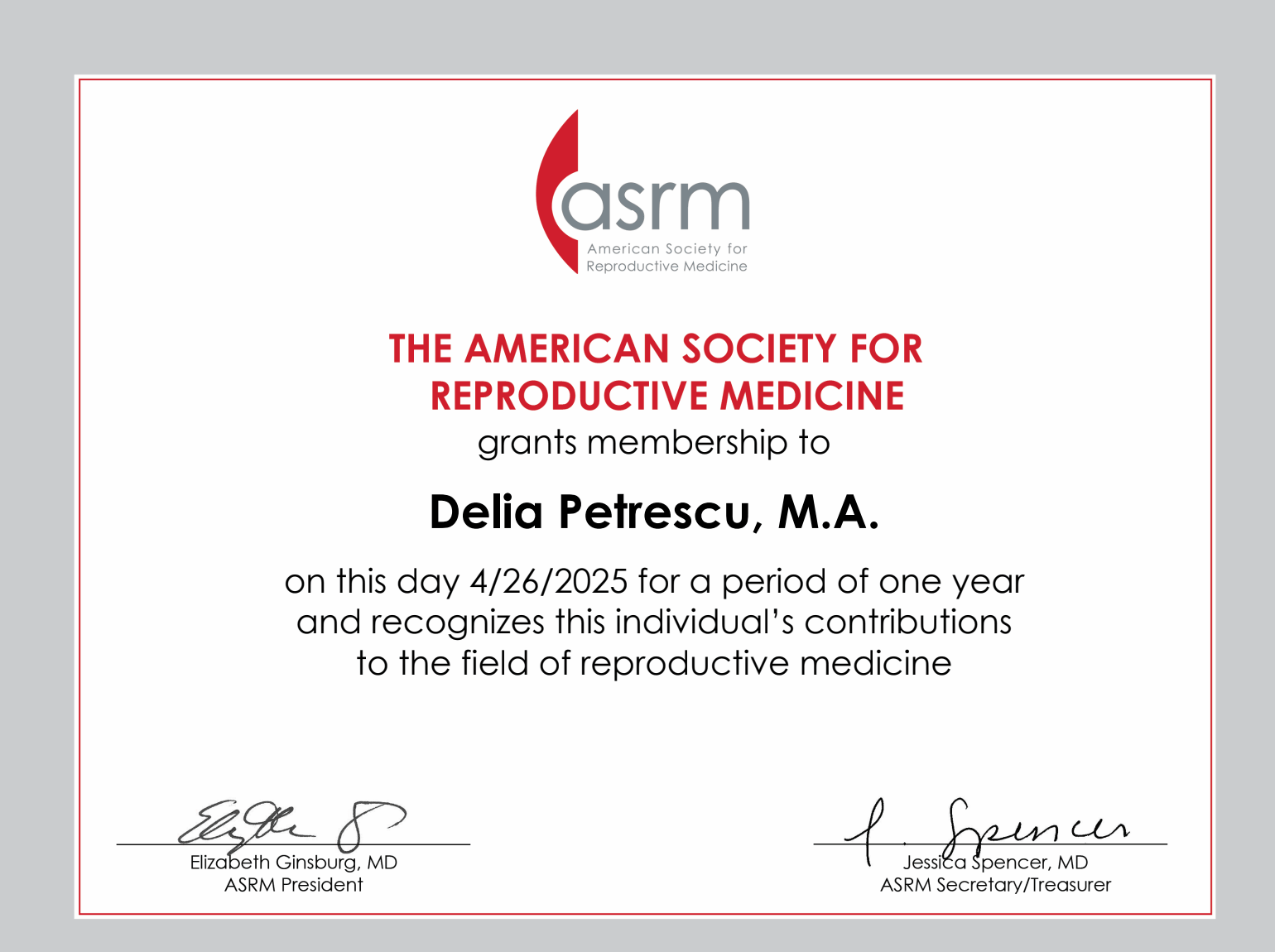
Delia is a reproductive trauma therapist with specialized training from the American Society for Reproductive Medicine (ASRM). She serves as an Executive Member of the Canadian Fertility and Andrology Society (CFAS) Counselling Special Interest Group and an Executive Member of Fertility Matters Canada, helping advance reproductive mental health across Canada.

Before becoming a trauma therapist, Delia worked for more than a decade as a psychometrist, conducting comprehensive neuropsychological assessments. This background provides a strong foundation for understanding how chronic stress, trauma, and infertility affect the brain, emotions, and behaviour.

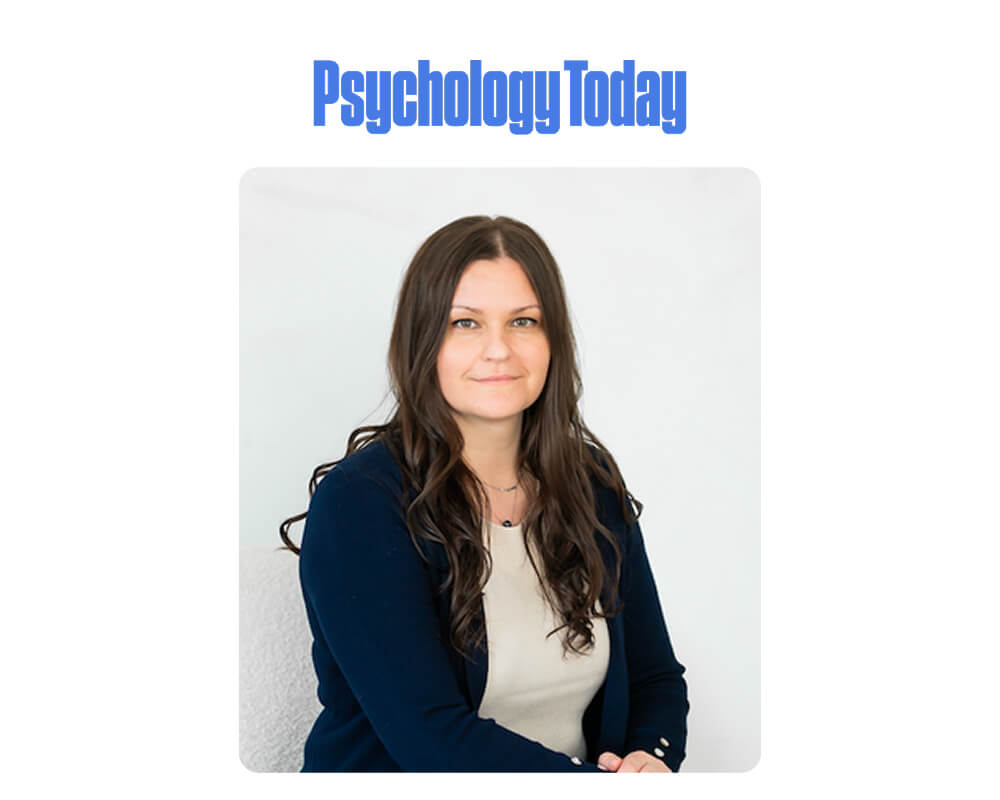
Delia is also a Psychology Today Expert Author and regularly speaks, writes, and educates on reproductive mental health, third-party reproduction, and reproductive trauma.

Why This Work Is Personal

For Delia, this is more than a professional specialty. Having experienced treatment firsthand, she understands the physical demands, emotional uncertainty, difficult decisions, and isolation that can come with trying to build a family.

Her personal experience is complemented by years of clinical practice supporting adults through trauma, infertility, and other family-building challenges.

Why clients choose Delia

  • Founder of Get Reconnected Psychotherapy Services
  • Founder of Fertility with Delia
  • Reproductive Trauma Therapist
  • ASRM-trained
  • Executive Member, CFAS CSIG
  • Professional Member with Fertility Matters Canada
  • 2026-2027 Partner with Fertility Friends Foundation
  • Partner with MyStoria through Fertility Wellness Collective
  • Former Psychometrist with 10+ years of assessment experience
  • Psychology Today Expert Author

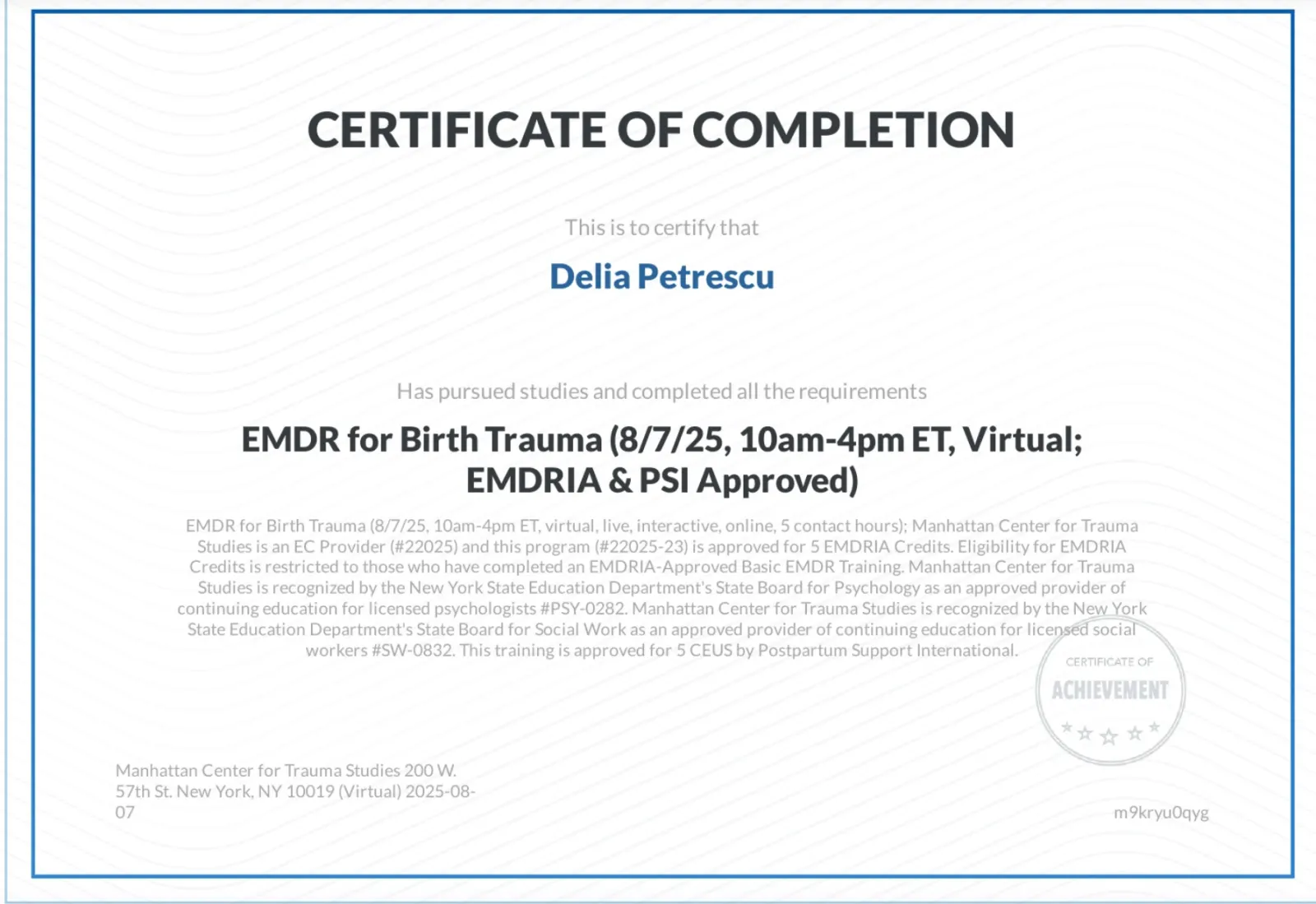
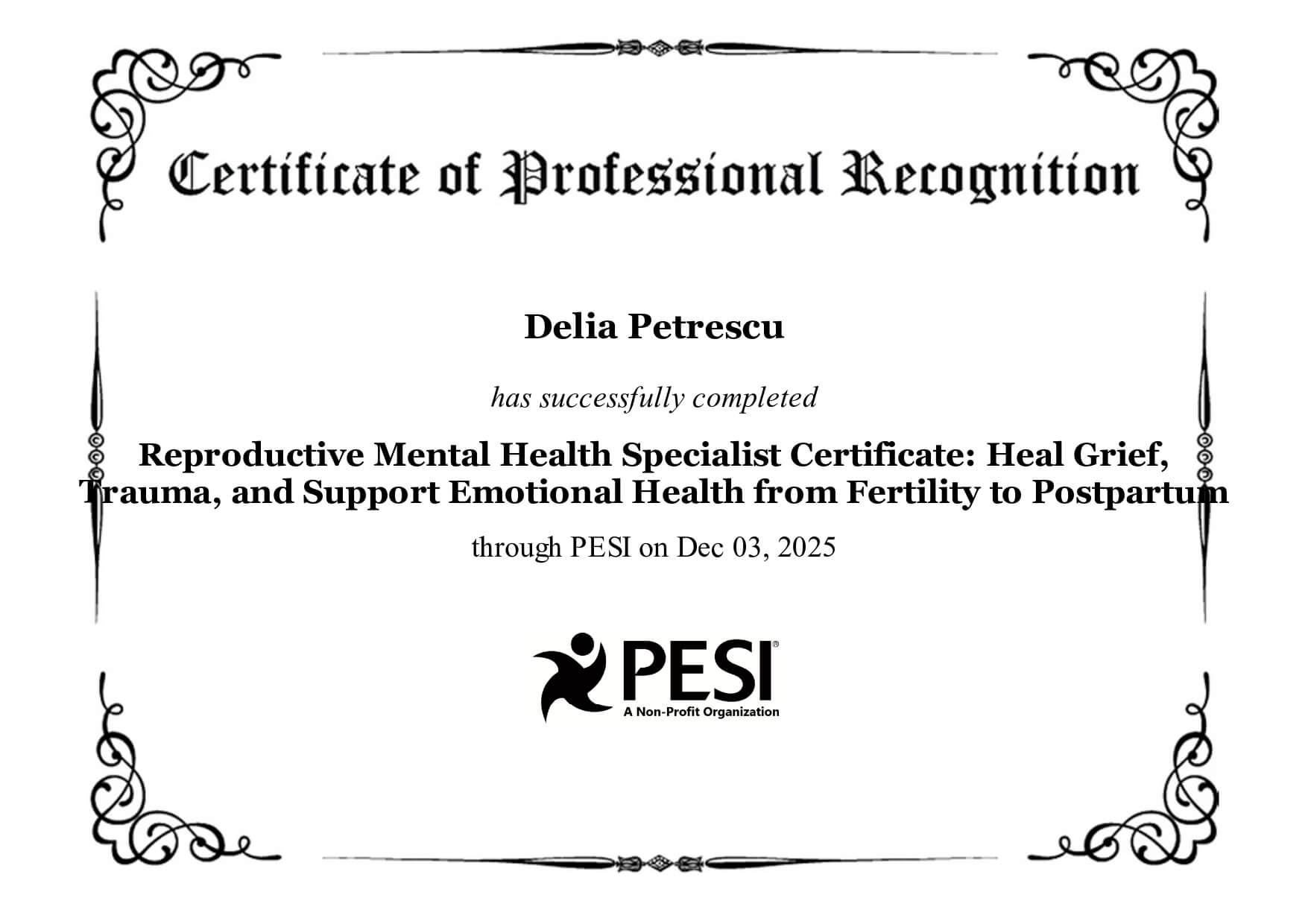
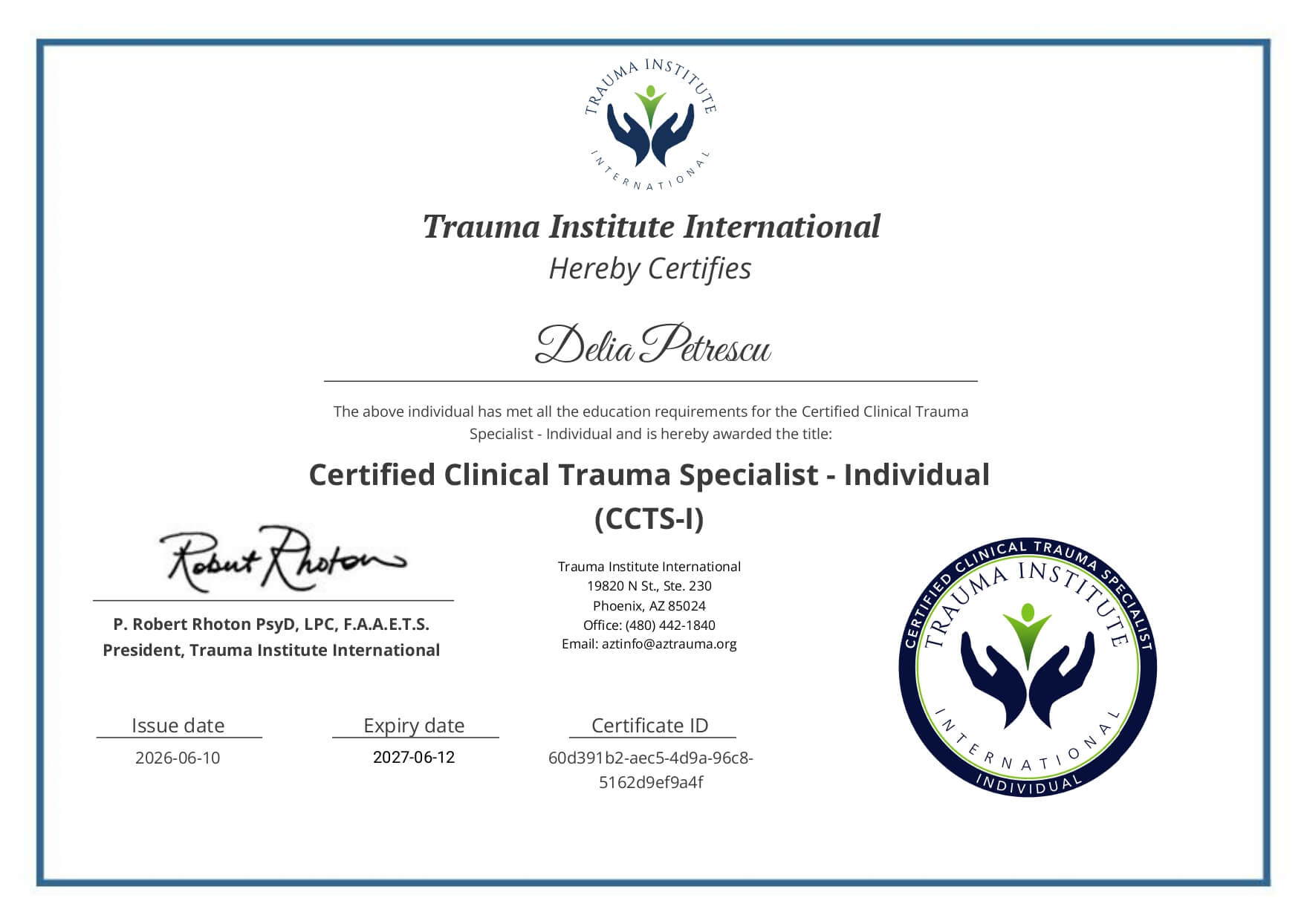
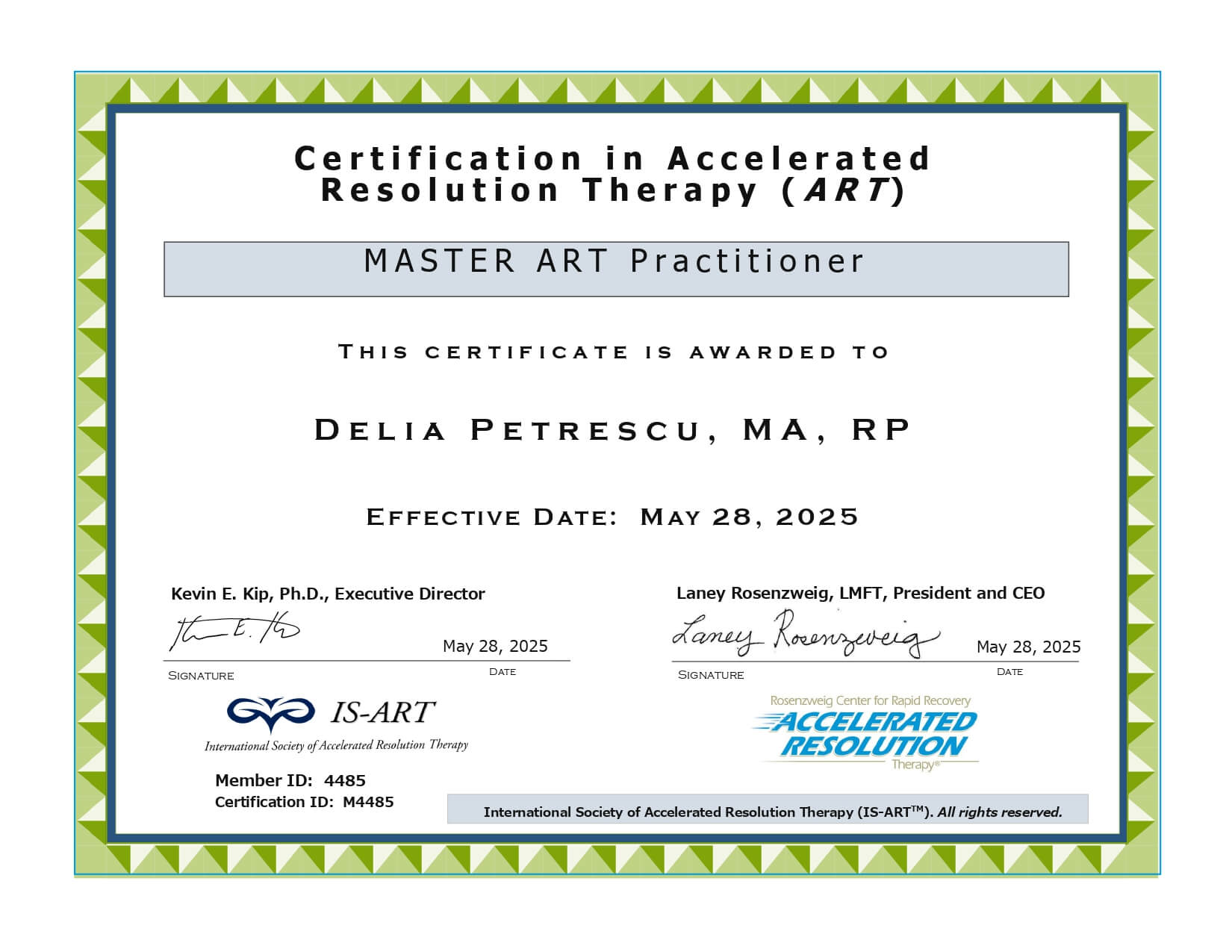
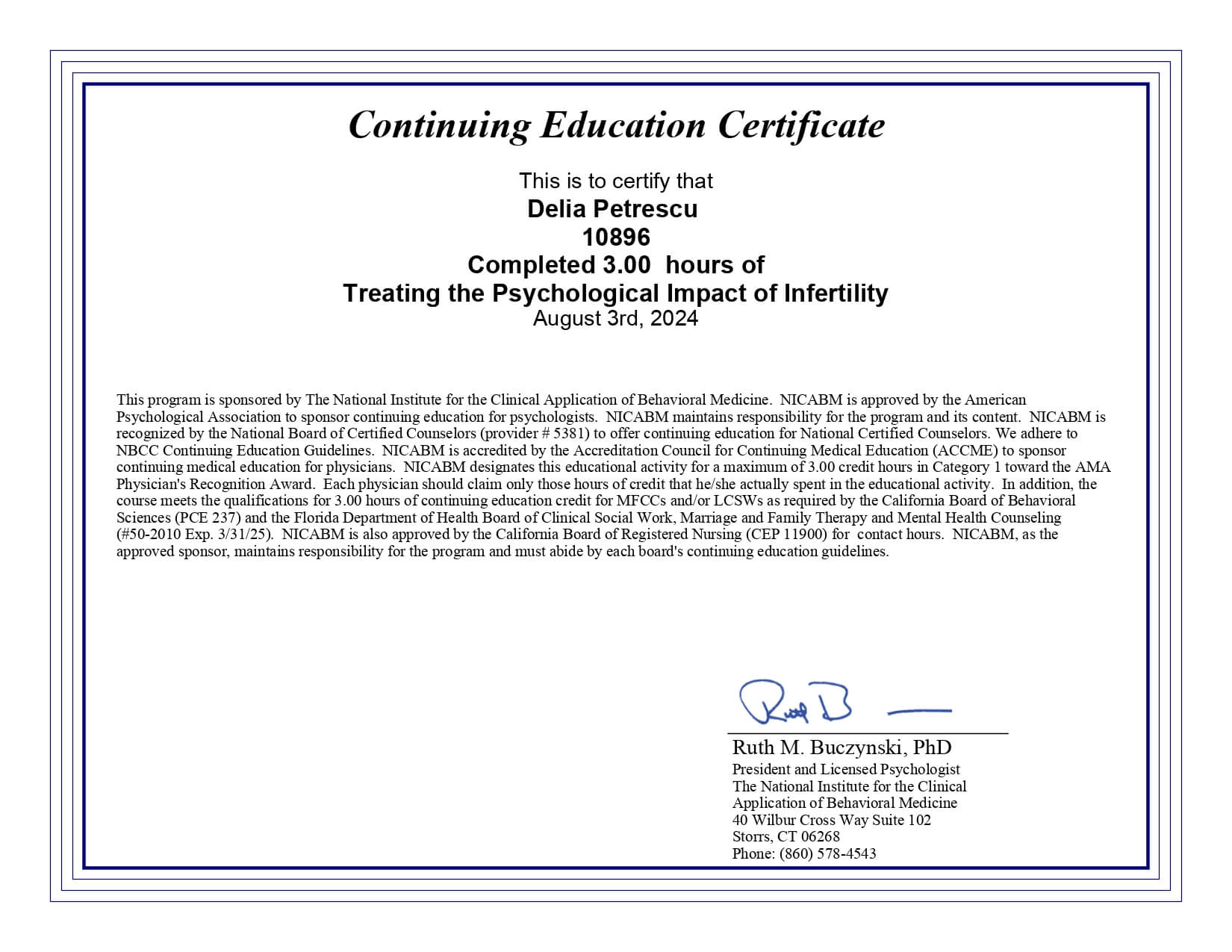
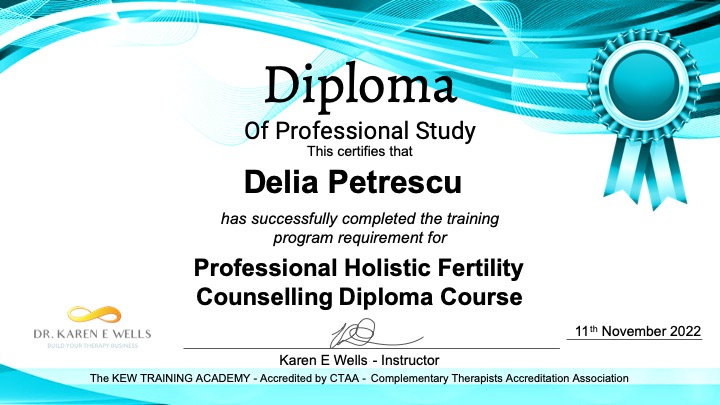
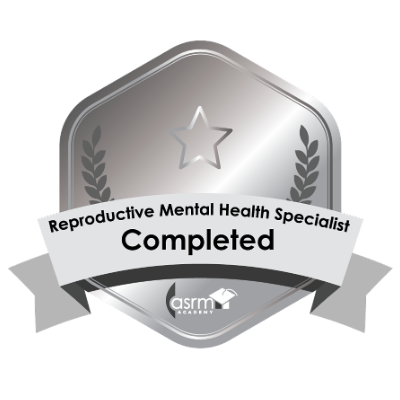
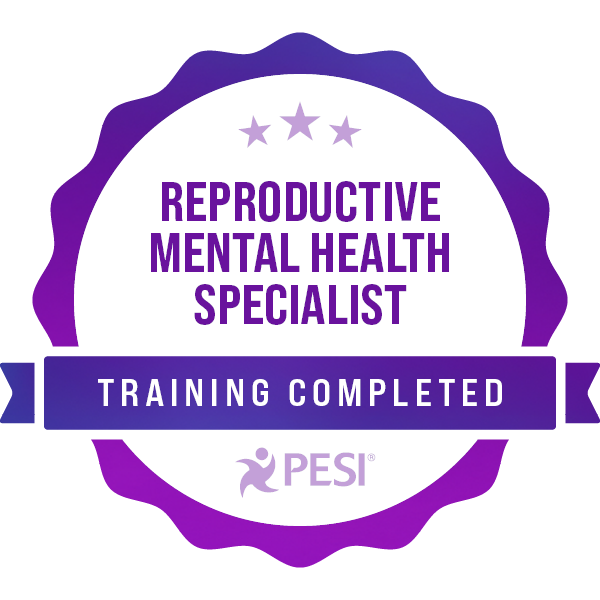
Delia’s Credentials and Certifications:

Meet Our Fertility Counselling Associates

Finding the right therapist is an important part of your experience. In addition to Delia, Get Reconnected has experienced associates who work with recurrent losses, treatment decisions, third-party reproduction, and other family-building challenges. Each therapist brings their own clinical experience, therapeutic approach, and areas of expertise.

katayon qahir profile photo get reconnected

Katayon Qahir, Registered Psychotherapist (Qualifying)

Katayon understands that infertility can affect much more than your plans for the future. It can leave you questioning yourself, feeling emotionally overwhelmed, or struggling to make sense of everything you're experiencing. She provides a calm, supportive space where you can slow down, process what you're going through, and reconnect with yourself without judgment.

Whether you're navigating infertility or difficult family-building decisions, Katayon tailors each session to your unique needs. Drawing from trauma-informed, attachment-based, she helps clients build resilience, strengthen self-understanding, and move forward with greater confidence.

shakiba fadaee J. profile photo get reconnected

Shakiba Fadaee J., Registered Psychotherapist (Qualifying)

Shakiba believes that some of life's most difficult experiences can't always be put into words right away. She creates a thoughtful, compassionate space where you can explore your emotions at your own pace, without feeling rushed or pressured to have everything figured out.

If you're navigating infertility or major life transitions related to family building, Shakiba offers a warm, collaborative approach that honours your unique story. Her work is grounded in evidence-based therapy while recognizing that healing looks different for everyone.

Ready to Take the Next Step?

You don’t have to navigate infertility, treatments, or the loss of a pregnancy on your own. Whether you’re preparing for treatment, recovering after a miscarriage, or exploring your options for growing your family, we’re here to help you navigate the emotional challenges with care that’s tailored to your unique experience.

At Get Reconnected, you’ll work with a therapist who understands the emotional impact of infertility and reproductive trauma. Our goal is to help you feel heard, supported, and better equipped to navigate the challenges ahead with confidence and resilience.

Book a free 15-minute consultation to discuss your situation, ask questions, and see whether we’re the right fit for your journey. Virtual appointments are available throughout Ontario.

When you’re ready, we’re here to help. Contact Get Reconnected to schedule your free consultation.

Blog

Ready for Therapy?

We’ll use what we learn in our first session to make a plan that’s just for you.

For more information about our approaches, don’t hesitate to get in touch with us at [email protected]

Contact Us

Fertility Counselling FAQ's

It is a type of support that can help individuals and partners deal with the emotional stress and challenges brought by conception challenges. It provides emotional support, stress-relief tools, and assistance in making decisions about treatments and alternatives.

It can be beneficial to individuals or partners who experience conception difficulties, planning to undergo conception assistance, dealing with stress and emotional burden of this journey, or exploring other options like adoption or living child-free. 

There’s no ‘right’ time. An inability to reproduce is a deeply personal and emotional issue, and support can be sought at any stage – whether you’re just starting to have concerns about fertility, already undergoing procedures, or dealing with the emotional aftermath of fertility treatment. 

During sessions, you can expect to discuss your feelings, fears, and concerns related to your journey. You will learn ways to manage stress, help with decision-making, and address any relationship issues that might arise due to an inability to start a family. 

It can help by providing support, addressing your feelings about your current journey, guide in decision-making, and improving your overall emotional well-being during this challenging time. 

Coping strategies can also be developed to help you and your significant other better understand the process of the procedures, survive disappointment, and find ways to communicate better while learning how to cope with infertility.

While counselling itself doesn’t directly impact your ability to become pregnant, it can greatly reduce stress levels, and high stress levels may contribute to difficulties conceiving in some people. Thus, by mitigating stress and improving mental health, receiving support may indirectly improve outcomes. 

The duration varies widely depending on the individual needs. It might involve only a few sessions or might continue over several months or years, depending on the circumstances. 

Depending on the individual needs, there are different types – individual, couples, or groups. 

In individual sessions, you will work one on one with the therapist to understand your feelings, emotions, and reactions surrounding your troubles in getting pregnant and develop a plan for managing stress, exploring options, and making decisions. As you work collaboratively with the therapist, you can develop tools to better manage your stress and concerns. 

In couples sessions, the focus is on the relationship and how it has been affected. It can help you and your partner communicate more effectively about your fertility concerns by addressing any underlying issues that may be contributing to your relationship difficulties. Support can also help address and find common ground when there are disagreements on what the next steps should be or when to stop procedures. 

Groups can be another great resource for both individuals and partners to connect with others who are going through similar experiences and find comfort in knowing they are not alone. It also provides an opportunity for participants to learn about new resources and interventions that may be available.

The type of support you receive will depend on your specific needs and difficulties you are experiencing and need help or assistance with. 

Undoubtedly, therapy can play an incredibly crucial role in decision making. This specialized form of mental health care offers a supportive environment to explore emotions, explore options, and make informed decisions about your journey. It can you help understand options, the implications of choices, and how to manage stress.

Yes, conception difficulties often put a strain on relationships. Counselling can provide insights and a safe space for open communication, helping to strengthen your relationship during this challenging journey. 

Before your first session, write down any issues or questions you want to discuss. Be prepared to talk about your emotional experiences related to your journey. Remember, it’s okay to be emotional or unsure – that’s the purpose of getting support, to help you manage these feelings. 

The causes can be due to a variety of reasons. In women, common causes include ovulation issues, damage to fallopian tubes or uterus, or complications with the cervix. Age can also contribute to an inability to conceive because a woman’s fertility naturally decreases as she gets older. In men, reproductive challenges are often due to concerns with the quality and quantity of sperm. 

Doctors usually start by performing a physical exam and going through your sexual and medical history. They might then run certain tests (i.e., semen analysis for men, and ovulation tests, hysterosalpingography, ovarian reserve testing, and more, for women). 

It is quite common, especially among couples struggling with infertility. About 1 in 6 partners have difficulty getting pregnant or staying pregnant according to Statistics. 

While stress doesn’t cause infertility directly, it can push us towards unhealthy behaviours which can affect our fertility. It might also affect the functioning of the hypothalamic-pituitary-ovarian axis, disrupting the hormonal balance that manages reproduction. 

Challenges in getting pregnant is not just a female problem. About one-third of cases are due to female factors, one-third are related to male factors, and the rest are caused by a mixture of male and female or by unknown issues. 

Counselling is an important component of the In Vitro Fertilization process. In Vitro Fertilization is a complex procedure that can be emotionally and psychologically challenging. This specialized kind of support can help individuals make informed decisions about the procedures, determine the best course of intervention for their specific needs, and prepare for the possible emotional, financial, and physical toll of this procedure.

It can also help understand the potential risks associated and make sure they are comfortable with the decision to move forward with assisted interventions. During sessions, partners will discuss the pros and cons of the procedure, the cost involved, and any potential risks associated with the procedure. By doing so, partners can make sure they understand exactly what they are getting into before committing to the procedure.

Additionally, counselling can provide guidance on how to manage expectations, as well as dealing with stress and disappointment if the procedure is not successful. It helps partners create realistic goals and expectations for their journey and prepares them to handle any potential disappointments that may arise.

For more information about our approaches, please contact us at [email protected]

If you are ready to book an introductory session, you can do so here.

In many cases, yes. Your sessions may be covered through your extended health benefits. Because coverage varies between insurance providers and plans, it’s best to review your benefits before your first appointment.

No. You do not need a referral from your family doctor or clinic to book sessions. You can schedule an appointment directly with Get Reconnected at any time.

Absolutely. You can attend sessions on your own or with your partner. Some people prefer individual sessions, while others attend together. Depending on your needs and circumstances, it’s also possible to combine both approaches.

Yes. Research shows that online therapy can be just as effective as in-person therapy for many mental health concerns. Virtual sessions also make it easier to connect with a therapist from anywhere in Ontario, without adding more travel to an already busy schedule.

There is no set number of sessions. Some people benefit from just a few sessions during a specific stage, while others prefer ongoing care through treatments or other family-building experiences. We’ll work together to determine what feels most helpful for you.

Yes. A failed cycle or unsuccessful embryo transfer can bring grief, uncertainty, and difficult decisions about what comes next. You’ll have the time and space to process those experiences, explore your options, and move forward in a way that feels right for you.

Yes. Therapy can help after losses, ectopic pregnancy, stillbirth, or recurrent losses. Whether your loss happened recently or years ago, you’ll have the time and space to process your experience at a pace that feels right for you.

Yes. We welcome LGBTQ+ individuals and couples pursuing donor conception, reciprocal IVF, surrogacy, preserving future family-building options, and other paths to parenthood. Every session is tailored to your unique goals, experiences, and family-building journey.

Yes. Men experience infertility too, but their struggles often go unrecognized. Whether you’re facing male infertility or the emotional impact of family building, you’ll have a place to speak openly about what you’re going through.

Designed for facing the emotional challenges of building a family, this specialized service helps you navigate uncertainty, work through difficult emotions, and make informed decisions with greater confidence.
You can read more about the benefits of fertility counselling here.

Stress, anxiety, and depression do not directly cause infertility, but they can affect your overall well-being and make an already difficult journey feel even more overwhelming. Learning healthy ways to manage stress and uncertainty can help protect your mental health every step of the way.

Some of the most common causes include ovulation disorders such as PMOS, endometriosis, blocked fallopian tubes, diminished ovarian reserve, and uterine conditions such as fibroids or polyps. A specialist can identify the underlying cause and discuss the options available to you.

Emotional trauma does not directly cause infertility, but it can make an already difficult experience even more overwhelming. Reproductive trauma is also common after pregnancy loss, failed cycle, or repeated unsuccessful cycles. Taking time to process what you’ve been through can help you heal and move forward.

You should consider speaking with a specialist if you’ve been trying to become pregnant for 12 months without success, or for 6 months if you’re over 35. Other reasons include irregular menstrual cycles, recurrent losses or concerns about male infertility.

Infertility can place significant stress on a relationship, but it doesn’t mean a relationship is destined to end. Many couples grow closer by learning to communicate openly, understand each other’s experiences, and navigate difficult decisions as a team.

Anxiety alone is not considered a direct cause of infertility. However, living with chronic stress and anxiety can make an already difficult journey feel even more overwhelming. Learning practical ways to manage anxiety can help protect your emotional well-being throughout the process.

One of the hardest parts can be feeling like no one truly understands. Even well-meaning advice can make you feel more isolated. Here, your experience is understood without having to explain why it hurts so much.

Healing isn’t about forgetting what you’ve been through. Over time, many people find they can carry their grief differently, rebuild hope, and move forward while honouring their experience.
You can read more about infertility grief here.


Books

  • “It starts with the Egg” by Rebecca Fett
  • “Coping with Infertility: Clinically Proven Ways of Managing the Emotional Roller Coaster” 1st Edition, by Negar Nicole Jacobs and William T. O’Donohue
  • “When you’re not expecting: An infertility survival guide” by Constance Hoenk Shapiro
  • “For those with Empty Arms: A compassionate Voice for Those Experiencing Infertility” by Emily Harris Adams
  • “Ripping Up the Script: One couple’s journey through infertility, a man’s perspective” by Charlie Druce